

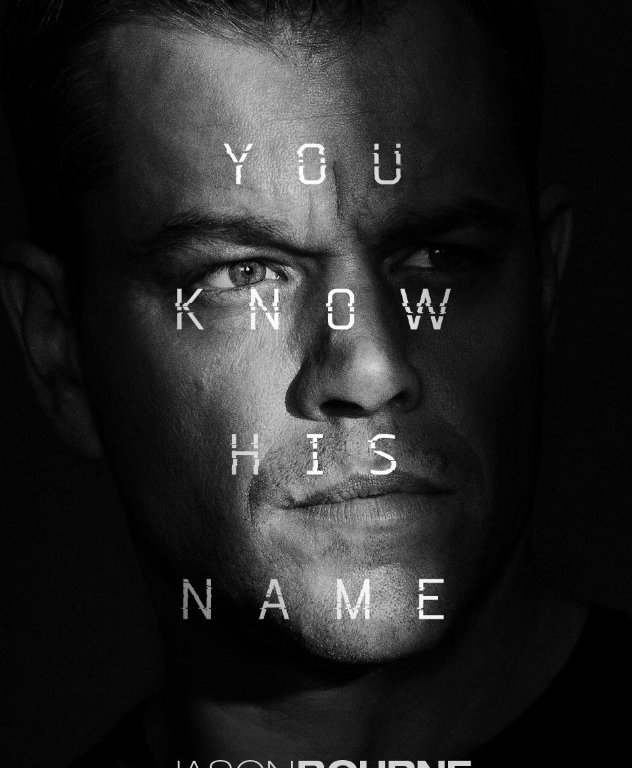

After the Bourne Ultimatum wrapped up an excellent action trilogy 9 years ago, did we really need another Bourne film? I’m not counting Legacy, which while okay was essentially a Bourne film only in name. If Jason Bourne is to be any indication, probably not, but it’s still a fairly good time to be had in spite of a rather lackluster effort to bring something new to the government assassin table. This fourth and latest Matt Damon outing features uninspired storytelling and some of the worst Hollywood hacking in recent memory (“Enhance!”). That’s not to say a regurgitation of Bourne tropes is totally a bad thing. A major part of the appeal of the series lies in seeing Bourne repeatedly evade, outpunch, and outwit the CIA, no matter how unlikely. The despair of its corrupt, high ranking officials can even be satisfactorily distilled into to a “Jesus Christ, that’s Jason Bourne!” meme. And how can you not love his “She’s standing right next to you” routine on the phone?
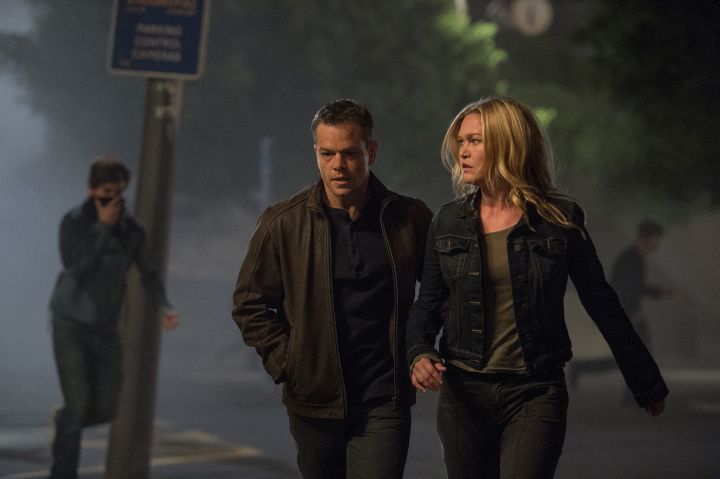
Paul Greengrass returns as director (and now co-writer), and what you’ve previously seen of his shaky cam, lightning-quick editing style is what you get. If you hated how the camera didn’t stay still even during conversations in Supremacy and Ultimatum, you’ll also hate it here. But if you feel it actually contributes nicely to the unrelenting pace and intensity and can still reasonably keep track of what’s happening on-screen (your mileage may vary a lot), then you shouldn’t be concerned. This movie moves and doesn’t let up once past the initial setup. Aided by the return of John Powell’s wonderfully fierce score, there are several standout sequences, from a motorcycle chase through a massive riot in Athens to the extended finale in Las Vegas. It’s all viscerally thrilling stuff that can stand with the best action I’ve seen this year.

Greengrass’ return was a condition for Damon to do the same, though his second caveat of a good script clearly must have been secondary if this was the best the writers could come up with. The central plot is tied to social media and a vast government conspiracy of illegal mass surveillance, but it would be generous to say this theme isn’t explored deeply. It’s merely unmemorable window dressing that’s thankfully not dwelled on too much. Surface explorations of illicit government shenanigans weren’t a big deal in the previous films, as the titular hero’s fight to reclaim his memories was more than enough to make them majorly compelling. Unfortunately, this isn’t the case here. Bourne ends up finding out a disturbing truth about his father, but it comparatively comes up limp. It’s not really any smaller of a revelation, but its impact feels dulled and contrived.
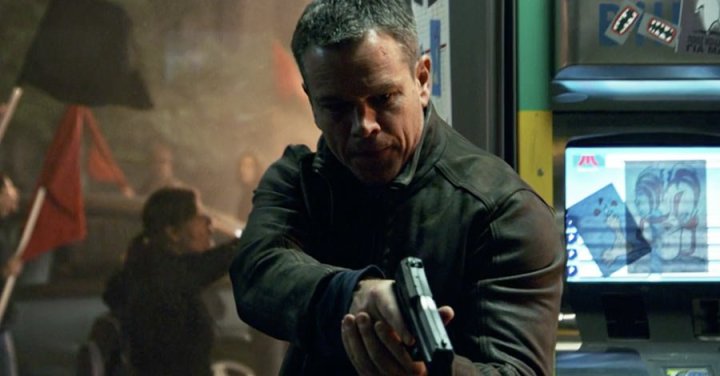
Despite the long layoff, Matt Damon settles right back into the role that made him an unexpected action star, enough for angry 2nd amendment advocates to cry hypocrisy and call for a boycott in reaction to comments on gun control he made shortly before the film’s release. Bourne has very little to say (apparently just 25 lines, in fact), but he doesn’t need to given Damon’s subdued but effective “man of few words but a lot of badass” portrayal. The only other returning face to the series, Julia Stiles, is rather stilted this time; one has to wonder if it’s due to Nicky Parson’s lack of screentime and disappointing character arc. As for the newcomers, Vincent Cassel’s rival CIA assassin is given more substance than his predecessors, though this is mostly botched following a questionable narrative swerve that causes viewers to lose any sympathy he may have garnered. Alicia Vikander is adequate as the “Is she good or bad?” CIA analyst, though she falls short of Joan Allen’s excellent Pamela Landy. Tommy Lee Jones sleepwalks through his role as the “He’s definitely bad” CIA director. Nevertheless, a sleepwalking Tommy Lee Jones is still better than the average villain.

All in all, Jason Bourne is a solidly entertaining action flick, though an uninspired, perhaps unnecessary follow up to a trilogy that seemed to conclude well enough almost a decade ago. To Paul Greengrass’ credit, the end does hint at a possible new direction to take the series, even if it doesn’t quite make sense. Here’s to hoping the next Bourne chapter is a little more ambitious and less rough around the edges. Ultimately, “good” and “disappointing” aren’t mutually exclusive terms.
 Dogomon